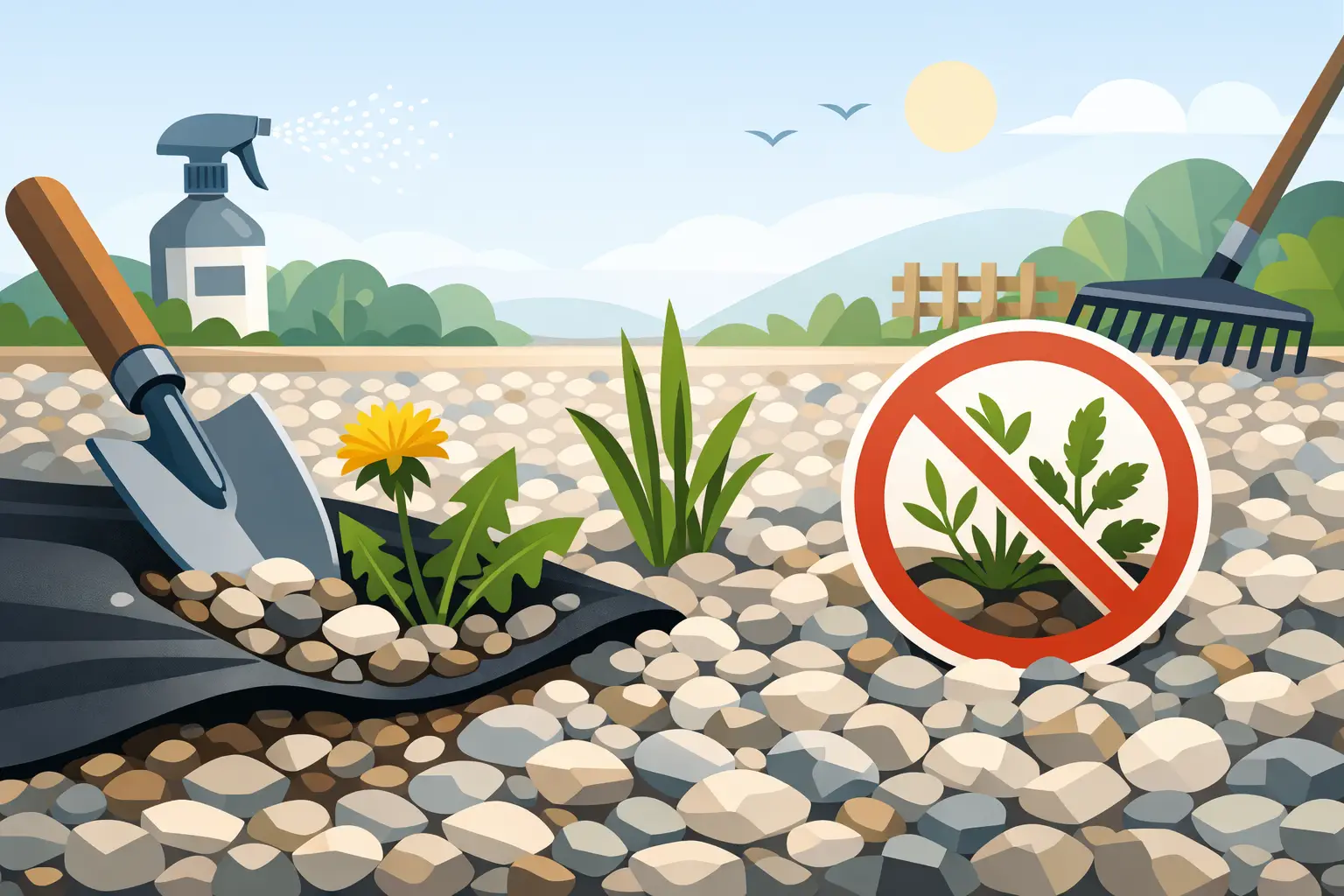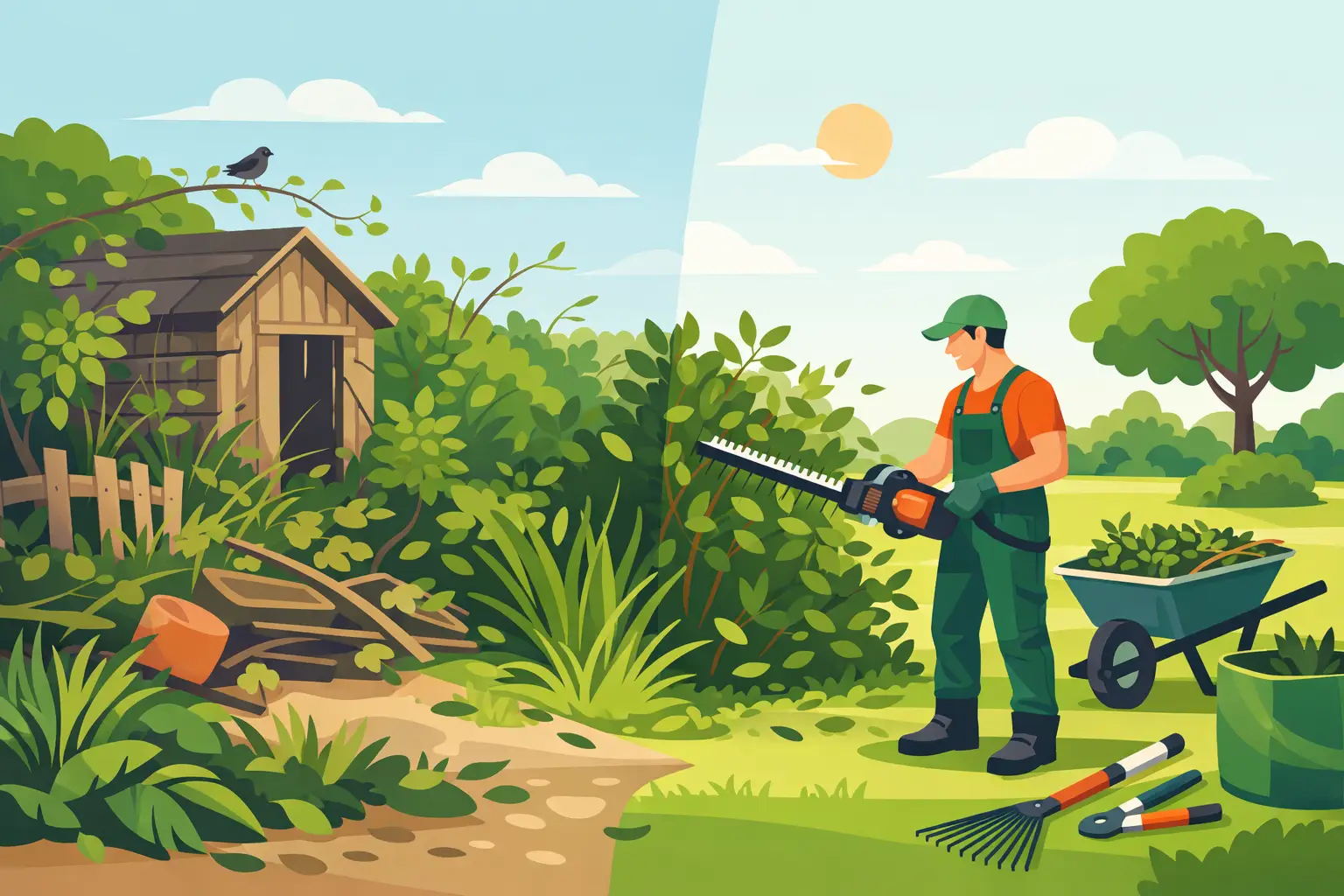
A garden rarely gets out of hand all at once. It usually starts with a missed cut, a hedge left one season too long, weeds getting ahead in the borders, and a pile of garden waste that never quite makes it to the tip. A few months later, the whole space feels harder to manage than it should.
That is where proper overgrown garden clearance and cleanup makes a real difference. It is not just about making a garden look tidier for a week. Done properly, it gets the space back to a usable, presentable standard and makes future maintenance much easier.
What overgrown garden clearance and cleanup usually involves
Every property is different, but most clearance work starts with the same problem – too much growth, too much waste, and no simple way to bring it back under control with basic hand tools.
In practical terms, overgrown garden clearance and cleanup often includes cutting back long grass, reducing or removing overgrown hedges, clearing weeds from paths and borders, dealing with self-seeded shrubs, edging untidy lawn lines, and removing built-up leaves, branches, and green waste. Some gardens need a full reset. Others just need one hard-working visit to catch up after a neglected season.
The main point is to restore order first. Once that is done, the space becomes manageable again, whether the plan is to keep on top of it personally or arrange regular maintenance.
Why these jobs become bigger than expected
From the outside, an overgrown garden can look like a simple cut-back job. In reality, there is often more labour involved than people expect. Thick grass can hide uneven ground, loose debris, dropped branches, and old edging. Hedges may need more than a quick trim if they have gone woody or spread too far into paths and boundaries. Weeds in borders are rarely just surface growth when a garden has been left for a while.
There is also the waste to think about. Clearing is one job. Removing and disposing of everything afterwards is another. That is often the part homeowners and landlords underestimate, especially when there are several bags of cuttings, heavy branches, or repeated trips needed to leave the site properly clear.
For older residents, busy households, and landlords between tenancies, that is usually the point where professional help becomes the more practical option.
When a one-off clearance is the right choice
A one-off clearance works well when the garden has slipped behind and needs bringing back to a tidy baseline. That might be after winter, after a house sale, before photographs or viewings, or when a rental property needs attention before new occupants move in.
It is also a good choice when the garden has become difficult to keep on top of due to time, mobility, or changing circumstances. Some customers do not want a redesign or landscaping project. They simply want the space cut back, cleared properly, and made usable again.
That said, one-off clearance is not always a long-term fix on its own. If the garden grows strongly in spring and summer, or if hedges and lawns move quickly, it can return to the same condition faster than expected. In those cases, a clearance visit followed by regular maintenance is usually the most cost-effective route.
What a regular plan can prevent
Once a garden has been restored, regular upkeep stops the same problems building up again. Grass stays manageable, weeds are dealt with before they spread, borders remain defined, and hedges can be maintained at a sensible size rather than needing major reduction.
This matters for more than appearance. A tidy garden is easier to use, safer to move through, and simpler to inspect for damaged fencing, hidden rubbish, or problem growth. For landlords and commercial properties, it also helps maintain standards without last-minute rush jobs.
The right frequency depends on the site. Some gardens need regular visits through the growing season and less in winter. Others need a lighter recurring service with seasonal cleanups at key points in the year. It depends on the size of the garden, the speed of growth, the type of planting, and how neat the customer wants it kept.
The areas that usually need the most attention
Lawns are often the first issue people notice, especially when long grass starts to swamp edges, paths, and planting areas. But on many neglected sites, hedges and borders create the bigger workload. An overgrown hedge can cut light, narrow access, and make the whole garden feel smaller and more enclosed than it really is.
Borders can also become heavily congested. Weeds, dead growth, self-seeded plants, and unwanted shrubs quickly take over if they are not cut back in time. Once that happens, tidying the garden is not just a mowing job. It takes proper clearance work to separate what should stay from what needs removing.
Hard surfaces matter as well. Paths, patios, and access routes often collect leaves, weeds, moss, and loose debris. Clearing those areas helps the whole property feel cared for again and makes the garden more practical to move around.
Why waste removal should be part of the plan
A garden can be cut back in a day and still look unfinished if the waste is left behind. Bags stacked at the side of the house, piles of hedge cuttings, and loose branches in corners quickly turn a tidy-up into another ongoing problem.
That is why green waste removal is such an important part of overgrown garden clearance and cleanup. It finishes the job properly. It also saves customers from trying to organise transport, loading, disposal, and repeat runs themselves.
For landlords and property managers, this is especially important. A cleared site needs to be left ready for occupation, inspection, or routine maintenance, not half-done with waste still to be dealt with later.
What to expect from a professional clearance visit
A reliable garden clearance service should be straightforward from the start. The first step is usually a quote based on the actual condition of the site, the amount of growth, access, and the volume of waste involved. That is better than guessing from a distance, because overgrown gardens can vary a great deal in the time and labour required.
On the day, the work should focus on practical results – cutting back what is overgrown, clearing what needs removing, and leaving the garden noticeably tidier and easier to manage. In some cases, the goal is a full reset. In others, it is a first stage that gets the property into a condition where ongoing maintenance can take over.
Good clearance work is not about rushing through visible areas and ignoring the rest. The details matter. Clean edges, reduced hedges, cleared borders, and proper waste removal are what make the difference between a quick cut-back and a professional result.
Choosing the right help in Wiltshire
If you are booking this kind of work, reliability matters just as much as the tools being used. You need a service that can deal with anything from a small domestic tidy-up to a larger neglected plot, and one that is clear about what is included.
For homeowners, that means finding someone who can take on physically demanding work without making the process complicated. For landlords and commercial sites, it means dependable scheduling, a presentable finish, and the option to return for routine visits.
Mossy Meadow provides one-off and regular garden maintenance across Wiltshire, with practical services including grass cutting, hedge cutting and removal, weed control, border maintenance, seasonal cleanups, and garden waste removal. For many customers, that combination is exactly what turns an overgrown garden back into a manageable outdoor space.
If your garden has reached the point where it feels easier to avoid than tackle, it is probably time to act. The sooner it is cut back and cleared properly, the simpler and more affordable it usually is to keep it that way.