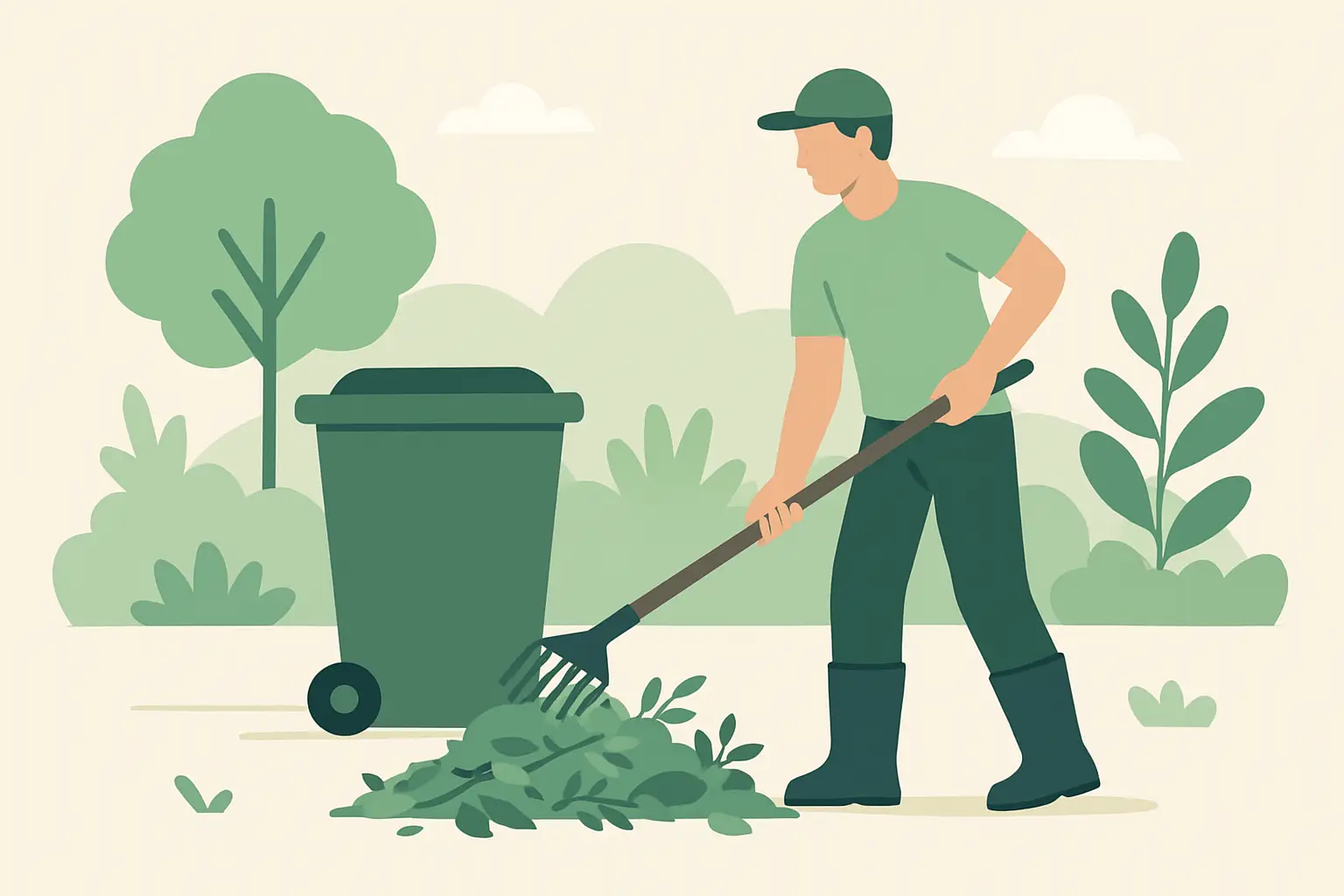
You finish the job, step back, and the garden looks better – but the patio is buried in hedge trimmings, the lawn edges are piled with turf, and there is a growing heap of bags by the gate. That last part is where many tidy gardens start looking messy again.
Green waste clearance after gardening is not glamorous, but it is what keeps your outdoor space usable and your property looking cared for. It also saves repeat trips to the tip, avoids overfilled bins, and stops green waste turning into a soggy, heavy problem you do not want to move later.
What counts as green waste after gardening?
Green waste is the biodegradable material you generate while maintaining a garden. In practice, it usually means grass cuttings, hedge and shrub clippings, leaves, pulled weeds, dead annuals, and small prunings.
It depends on what you are clearing. A light mow can fit in a single bin, while a hedge reduction or a seasonal tidy-up can create a surprisingly bulky volume. Even when the material is light, it holds air, and the pile grows fast.
There are also borderline items where the right approach depends on your local collection rules and the condition of the material. Thin woody stems might be accepted as garden waste, but thicker branches may need separate handling. Soil, stones and rubble are not green waste, and mixing them into garden waste can cause collections to be refused.
Why green waste clearance after gardening matters
Most people notice the mess first. Bags stacked by the shed, a pile of brash in the corner, or clippings blown into borders can make a freshly cut garden look unfinished.
There are practical reasons too. Green waste left on paths becomes slippery. Wet clippings stain paving. Piles of leaves block drains and gullies. If you have tenants, neighbours, or a commercial frontage, untidy waste reads as neglect even if the gardening itself has been done well.
Then there is the effort factor. Green waste is easiest to move the same day. Leave it a week, it mats down, gets heavier, and turns into a damp block that fights the rake and fills bags twice as fast.
Start by sorting – it makes everything quicker
A bit of sorting at source saves time, money, and frustration later. The goal is not perfection. It is to separate what can be composted, what can go in your green bin, and what needs collection or disposal elsewhere.
Grass cuttings and small clippings are easy to bag or bin, but they compact and go anaerobic if stuffed tight, so you can end up with a smelly bin. Mixing them with drier material like leaves or shredded prunings helps.
Woody waste is a different story. Thick hedge trimmings, brambles and twiggy material are bulky and awkward. If you have a shredder, you can reduce volume dramatically, but that is only worthwhile if you will use the chippings. If you are not going to use them, shredding can become an extra job that does not actually save you much.
Weeds also need a judgement call. If they have seeded, bag them rather than composting, unless you are confident your compost reaches a high enough temperature to break seeds down. For stubborn weeds, leaving roots in a pile can mean you are growing them again next month.
Your main disposal options (and the trade-offs)
There are a few straightforward routes for clearing garden waste. The right one depends on your space, your time, and the amount of waste.
Composting at home
Home composting suits households that garden regularly and have space for a bin or a contained heap. Over time it reduces the need to buy compost and improves borders.
The trade-off is that composting is a process, not a disappearance trick. Too much grass at once turns slimy. Too much woody material breaks down slowly. If you want a neat garden and you do not want to manage a compost system, composting can feel like you are simply relocating the problem.
Council green bin collections
A green bin is ideal for steady, predictable waste: grass, small clippings, and seasonal leaves. It is convenient and keeps disposal compliant.
The trade-off is capacity and rules. If you do a big cutback, you can exceed the bin limit in one afternoon. Some councils have subscription schemes, and some restrict branch thickness or the type of bags allowed. If you fill the bin too tightly, it may not empty cleanly.
Taking it to the tip
For some people, the household recycling centre is the fastest solution. You control the timing and can clear a large amount in one go.
The trade-off is time, lifting, and vehicle space. Multiple trips add up, and wet hedge waste in the boot is not fun. If you are managing a rental property or commercial site, the logistics can become more trouble than the gardening.
Arranging a garden waste removal service
If you have a large one-off pile, heavy woody waste, or you simply do not want to handle the lifting and trips, a removal service is often the most practical choice. It is also helpful if you are clearing a property for an inspection, a viewing, or a seasonal reset.
The trade-off is that you will want a clear quote based on volume and access. If the pile is behind a narrow side passage or up steps, it can take longer to shift. That is not a problem, but it needs to be accounted for upfront.
How to keep the waste under control while you work
The easiest clear-up is the one you prevent. A few small habits make a big difference, especially on bigger jobs.
Cut and stack as you go. With hedge trimming or shrub removal, do not let everything fall into a tangled mat. Create a separate pile for thicker stems and another for lighter leafy material. Your future self will thank you when it is time to load up.
Keep paths and access points clear. If you block your route to the gate with brash, you end up dragging waste over freshly cut lawns or through borders, which creates extra mess. A clear route speeds up bagging and reduces damage.
Use the right containers. Reusable garden bags are quicker for bulky clippings than small bin liners, which split when dragged. For thorny waste, tougher sacks are worth it. If you are using a wheelbarrow, line it so you can tip out cleanly without leaving half the load stuck to the tray.
Do not overfill bags. A bag that is too heavy is more likely to tear and is harder to lift safely. Two manageable bags are always faster than one that causes a back strain or bursts by the gate.
Common mistakes that make green waste clearance harder
A frequent issue is mixing materials that should stay separate. Soil and turf mixed with clippings turns a light job into a heavy one, and it may not be accepted in garden waste collections.
Another is leaving waste to “dry out” on the lawn. Grass cuttings can scorch patches, and piles left on top of beds encourage mould and slugs.
The biggest mistake is underestimating volume. A standard hedge can generate far more waste than you expect, particularly if it has not been cut back in a few years. If you have only planned for one bin, you are likely to end up with a garden that looks half-finished.
When it makes sense to call in help
If you are physically able and have time, a regular mow and light trim can be managed with your own bins. Where people get stuck is when the job crosses into “too much in one go”.
That might be a long hedge line, a shrub that needs removing, a bank of brambles, or a seasonal clearance after months of growth. It might also be a property with limited access, where bags have to be carried through the house or down a narrow alley.
For landlords and property managers, the decision is often about reliability. You may need the site presented to a consistent standard, with waste removed promptly and no piles left waiting for the next collection day.
If you are in Wiltshire and want it handled as part of straightforward grounds maintenance, Mossy Meadow can quote for both the gardening work and the waste removal in one go – one-off or on a regular schedule – with clear access planning and tidy finish standards. Details are at https://Mossymeadow.co.uk.
What to expect from a good waste clearance plan
Whether you do it yourself or bring someone in, a good plan is simple. You know where the waste will go, you know how it will be moved, and you know what will be left behind.
Access is usually the deciding factor. If a vehicle can get close to the pile, clearance is quicker. If everything has to be carried a long distance, it takes longer and costs more. That is not a sales pitch – it is just the reality of shifting bulky material safely.
The other factor is timing. If you want the garden looking presentable the same day, plan waste removal for the end of the visit rather than “later in the week”. Green waste has a habit of staying exactly where you leave it.
A tidy garden is not only about what you cut back. It is about what you take away. Get the clearance right, and every job you do in the garden stays looking like a finished job, not a work site waiting for the next free weekend.