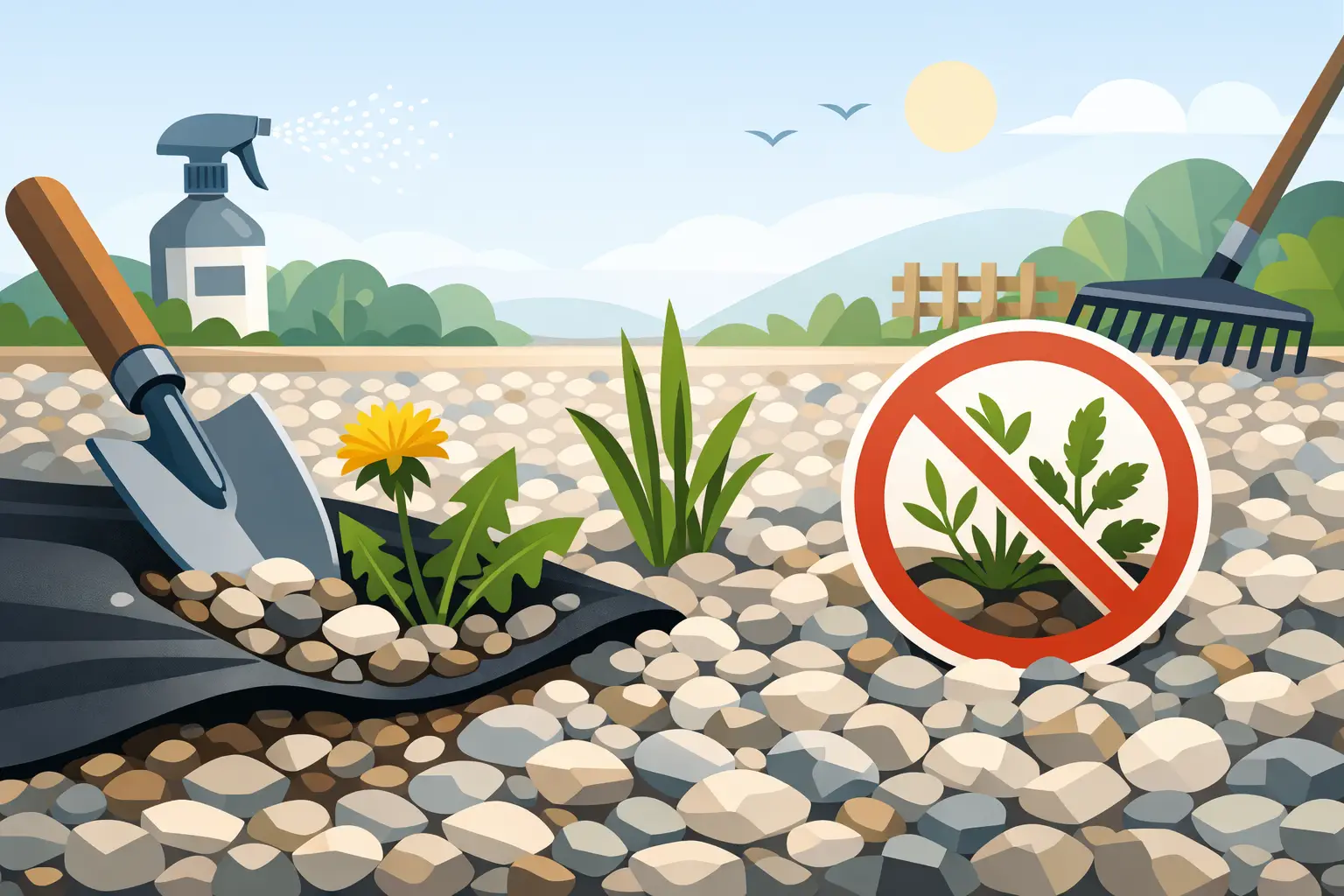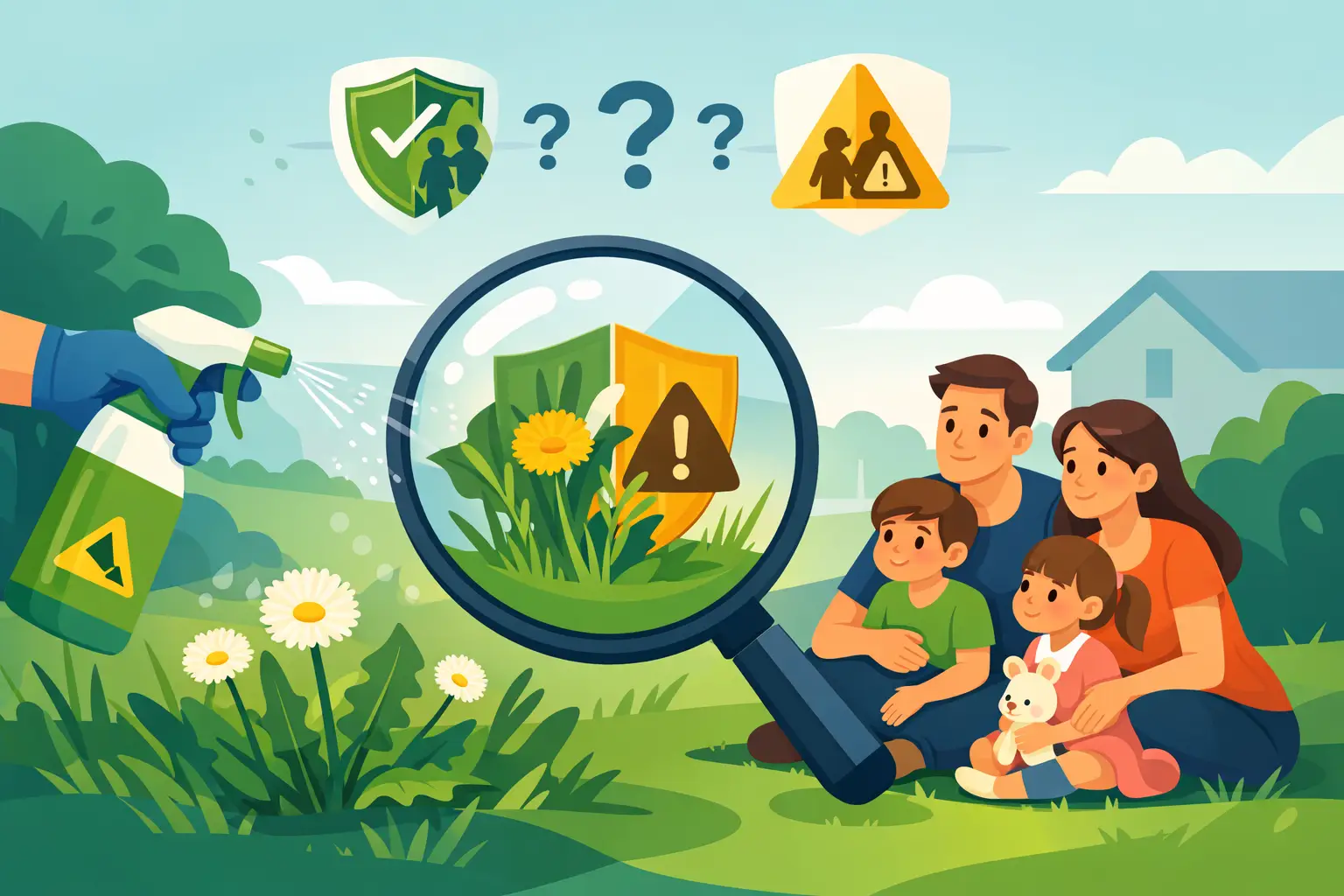
If your dog charges straight onto the lawn after every visit outside, or your children treat the garden like an extra room of the house, weed control is never just about killing weeds. It is about keeping the space tidy without creating a new problem.
The short answer is that weed control can be safe for pets and children, but it depends on the product used, how it is applied, and whether the treated area is left alone for the right amount of time afterwards. That is the part many people miss. The risk is often less about the idea of weed control itself and more about poor timing, overuse, or unclear aftercare.
Is weed control safe for pets and children?
Yes, in many cases it can be, but not automatically. Different weed control methods carry different levels of risk. A selective lawn treatment applied properly by someone who follows the label instructions is very different from spraying a general weedkiller across paths, borders, and hard surfaces on a warm day with pets and children nearby.
For most households, the key questions are simple. What product is being used? Where is it being used? How long should people and animals stay off the area? If those answers are clear, weed control is usually far easier to manage safely.
Problems tend to happen when people assume that once a spray has gone down, the job is done. In reality, the safe part often comes afterwards. Wet product on leaves, paws walking through treated patches, and children touching or lying on recently treated grass all increase the chance of unwanted contact.
What makes one weed control method safer than another?
There is no single yes or no answer because weed control covers several different approaches. Some involve herbicides, some rely on physical removal, and some combine both depending on the site.
Spot treatment is usually lower risk than blanket treatment because less product is used and only the problem area is targeted. That matters in family gardens where the lawn is used daily. Treating a handful of stubborn weeds in paving joints is not the same as covering every square metre of grass.
The surface also matters. A treatment used on a driveway or patio may dry differently from one applied to a lawn. Grass can hold moisture on the leaf for longer, especially in cooler weather, and that can affect how soon the area is safe to use again.
Timing makes a difference too. Applying weed control when rain is due, when there is strong wind, or when the garden is in active use is rarely ideal. A careful operator will choose the right day, use the correct rate, and explain when the area can be used again.
Weed control around dogs, cats, and young children
Pets and children are at higher risk for a simple reason. They are closer to the ground and more likely to touch treated surfaces directly. Dogs sniff, lick and roll. Cats walk through borders and then groom themselves. Young children sit on the lawn, touch weeds, and put their hands near their mouths without thinking about it.
That does not mean every treatment is unsafe. It means the margin for error is smaller. If a weedkiller label says keep off until dry, that instruction matters. If it says a longer waiting period is needed, that should be followed fully.
In practical terms, the safest routine is to keep pets and children completely away from the treated area until the product has dried or for the full period stated by the manufacturer, whichever is longer. If there is any doubt, wait longer rather than shorter.
For homes with very active dogs or toddlers who use the lawn all day, non-chemical weed control or phased treatment can sometimes be the better option. It may take longer, but it reduces disruption and keeps part of the garden available.
Is lawn weedkiller safe for pets and children after it dries?
Often, yes, provided the correct product has been used correctly and the drying or re-entry advice has been followed. That said, “after it dries” is not a universal rule for every product. Some treatments may require a longer exclusion period, and some labels give specific guidance for domestic animals.
This is where professional application helps. Instead of guessing, you get a clear answer based on the actual treatment used. That is especially useful for landlords, older residents, and busy households who simply want the job done properly and safely.
It is also worth remembering that over-application is not better weed control. Using more than needed does not make a product safer or more effective. It only increases the chance of residue, plant damage, and unnecessary exposure.
Lower-risk options for family gardens
If safety is your main concern, the best approach may not be the strongest treatment. It may be the most controlled one.
Hand weeding, hoeing, edging, mulching, and regular maintenance all help reduce weed build-up without relying entirely on herbicides. These methods are especially useful in small gardens, around play areas, and in borders where pets like to sleep or dig.
For hard surfaces, repeated physical removal can often keep weeds manageable if done before they spread. For lawns, keeping the grass healthy through regular cutting and good upkeep can make it harder for broadleaf weeds to take hold in the first place.
The trade-off is that non-chemical methods can be more labour-intensive and may need repeating more often. For some customers, that is a fair compromise. For others, targeted weed treatment combined with sensible aftercare is the more practical answer.
What to ask before any weed treatment is applied
If you are hiring someone, ask what product will be used and when the area will be safe to use again. A reliable contractor should be happy to explain this in plain language.
You should also mention if you have dogs, cats, young children, or any areas used heavily for play. That helps shape the approach. In some gardens, it makes sense to treat sections separately. In others, it may be better to avoid chemical treatment in certain spots altogether.
This is also a good time to be realistic about the result you want. Total weed elimination everywhere is not always the safest or most sensible goal for a family garden. Consistent control is often the better standard – keeping paths, borders, and lawns tidy without over-treating the space.
Safe use matters more than strong claims
A common mistake is looking for a product marketed as pet safe or child safe and assuming that settles the issue. Those labels can be helpful, but they do not replace proper use. Even a lower-risk product can become a problem if it is used in the wrong place, in the wrong weather, or without keeping people and animals off the area afterwards.
Good weed control is really about judgement. Use the lightest effective method, apply it carefully, and treat access restrictions as part of the job rather than an afterthought.
For many properties across Wiltshire, that means choosing a practical maintenance plan instead of reaching for a quick fix every time weeds appear. Regular grass cutting, edging, border maintenance, and timely spot treatment usually create a safer, more manageable garden than leaving weeds to build up and then trying to solve everything in one heavy application.
When to be extra cautious
Some situations call for more care than usual. If your pet has a habit of eating grass, if your child plays directly on the lawn every day, or if the treatment area includes favourite sitting spots, vegetable beds, or shared access routes, it is worth planning the work around those patterns.
Weather can also affect safe use. Damp, cool days may slow drying times. Wind increases drift. Rain too soon after treatment can move product away from where it was intended to stay. A dependable service will factor that in rather than treating the calendar as more important than the conditions.
At Mossy Meadow, the focus is always on practical, well-managed outdoor maintenance rather than one-size-fits-all solutions. That matters with weed control, because family gardens are used differently from empty plots or commercial verges.
If you are asking whether weed control is safe for pets and children, the most honest answer is this: it can be, when the method matches the space and the aftercare is taken seriously. A tidy garden should still feel safe to use, and any treatment plan worth having should respect that from the start.