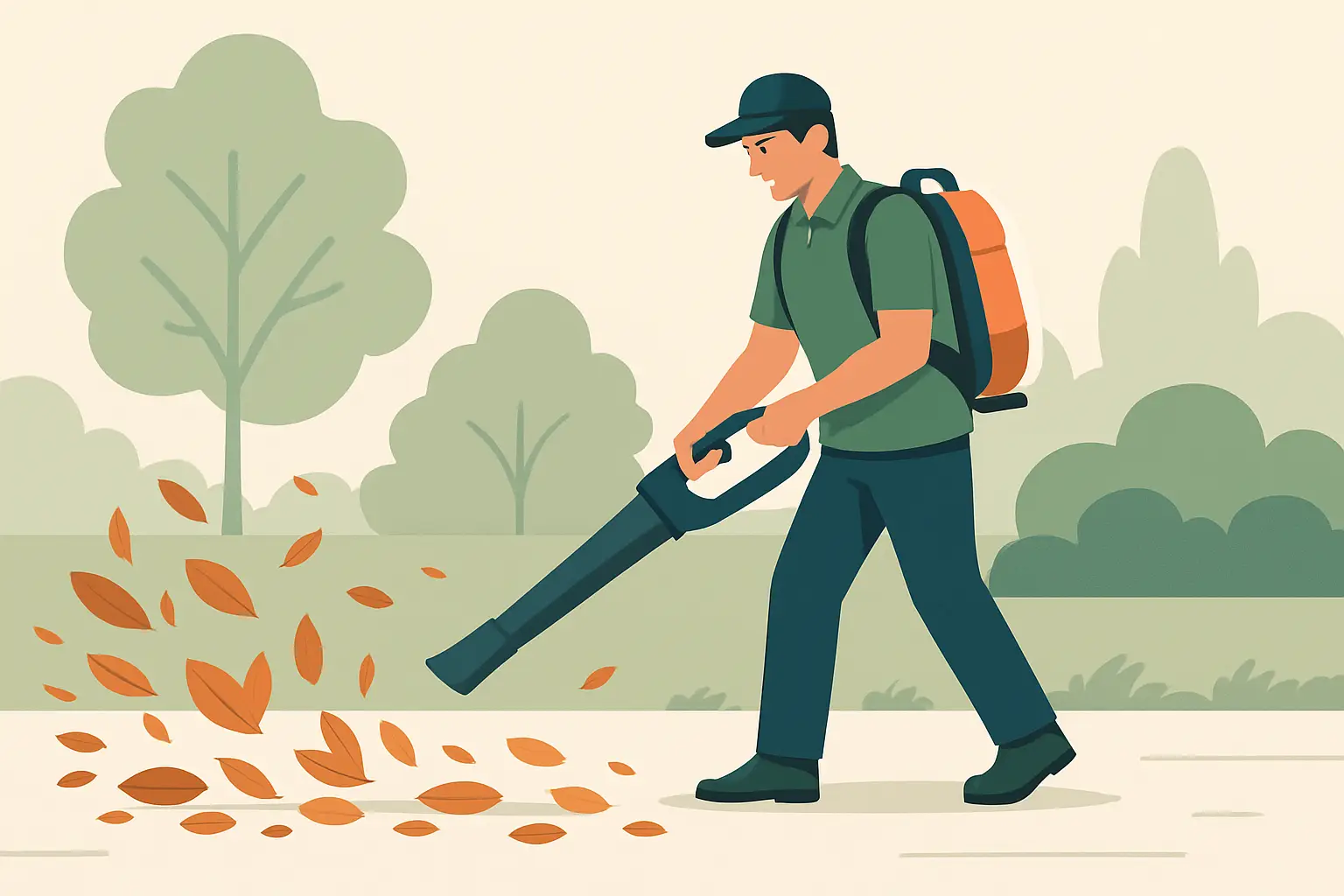
A sudden wet week in October can turn a tidy garden into a slippery mess overnight. Leaves collect in corners, clog gullies, smother lawns and get walked into porches and hallways. If you manage a property, you also get the extra pressure of keeping paths safe and outdoor areas looking presentable – even when the trees have other plans.
A reliable leaf clearance service is one of the simplest ways to stay on top of that seasonal build-up without spending your weekend raking, bagging and queuing at the tip. Done properly, it keeps lawns healthier, stops drains backing up, and makes outside areas safer for family, tenants, visitors and staff.
What a leaf clearance service actually does
Leaf clearance is not just “a quick rake”. Leaves behave differently depending on where they land, how wet they are, and what is underneath them. A good service is a mix of removal, tidy-up, and sensible disposal, with the approach changing depending on the site.
On lawns, the priority is lifting leaves so the grass can breathe and dry out. Left in place, a thick layer blocks light and airflow, which often leads to patchy grass, moss, and a soft, muddy surface that churns underfoot.
On paths, patios and driveways, the focus is safety and appearance. Wet leaves can be surprisingly slick on slabs, block paving and decking. Clearing them quickly helps reduce slip risk and prevents staining and green growth taking hold.
Around borders, shrubs and hedges, leaf build-up tends to gather in pockets and behind plants where it stays damp. Removing that litter makes beds look sharper and can reduce hiding places for pests. It also makes it easier to keep on top of weeds through autumn and into winter.
And then there are the awkward areas: side passages, gravel strips, courtyards, car parks, bin stores and communal footpaths. These spots are often where leaves pile up the fastest and cause the most complaints – especially on managed sites.
When it’s worth booking (and when it depends)
Leaf clearance is usually most effective as a repeat visit rather than a one-off, because trees do not drop everything in one day. The “right” schedule depends on the number of trees, exposure to wind, and how the area is used.
For many Wiltshire gardens, the busiest period is mid-autumn through early winter. If you have large deciduous trees nearby, you might need more frequent visits for a month or two, then a final clearance once the bulk of leaves are down.
For commercial sites, landlords, and multi-unit properties, it often makes sense to start earlier. If residents or customers are walking across the same paths daily, keeping on top of leaf fall is part of basic grounds standards and risk control.
It also depends on what you want to achieve. If your main goal is a safe entrance path and a presentable front garden, you can prioritise those areas and handle the back garden less often. If you want your lawn to come through winter in the best shape, regular clearance makes a noticeable difference.
What’s usually included – and what you should ask for
Different providers describe leaf clearance in different ways, so it’s worth checking what the visit actually covers. In practical terms, most customers need three things: leaves removed from key surfaces, the site left tidy, and the waste taken away.
A thorough job will normally include collecting leaves from lawns and borders, clearing patios and paths, and leaving edges neat rather than blowing everything into a corner. If you have drains, gullies or channels that regularly fill up, ask whether the service includes clearing them as part of the visit.
It’s also sensible to confirm how green waste is handled. Some people are happy to keep leaves for composting, while others want everything removed. If you do not have space for multiple bags of wet leaves, waste removal matters as much as the clearance itself.
Finally, consider access and timing. If the property is tenanted, a clear time window and a straightforward plan for gates, parking and disposal saves back-and-forth and helps the job get done quickly.
Why leaves cause problems (beyond looking untidy)
Leaves are light when dry and heavy when wet. Once rain hits, they compact into a layer that holds moisture against whatever surface they sit on. That damp layer is the root of most autumn problems.
On grass, prolonged moisture encourages moss and fungal issues, and the lawn struggles to recover until spring. On hard surfaces, the moisture encourages algae and green film, which can make paving look dirty and become slippery.
Leaves also block drainage routes. If they gather around gullies or in channels, water has nowhere to go. That can mean standing water on driveways, splashing at entrances, and extra wear on surfaces through freezing conditions.
For managed properties, there is a reputational side too. A car park full of leaf piles and a walkway that feels slick does not signal “well looked after”. Regular clearance is a small maintenance job that has an outsized impact on how a site is perceived.
DIY leaf clearing vs hiring a professional
If you have a small garden, a couple of trees and time on a dry day, doing it yourself can be straightforward. A rake, a broom and a few garden waste sacks will get you there.
The trade-off is time, effort and disposal. Leaves are bulky, and once damp they are heavy. It is common to underestimate how many bags you will end up with, then realise the green bin is already full. If you have limited mobility or you are simply too busy, leaf clearing is one of those jobs that gets postponed until it becomes twice the work.
Professional leaf clearance becomes the better option when you have larger lawns, multiple trees, long paths, communal areas, or any site where presentation matters week to week. It also helps when you want the waste removed in the same visit, without trying to fit trips to the recycling centre around work and family.
One-off visit or regular maintenance?
A one-off leaf clearance is ideal after a storm, before an event, when a property is being marketed, or when the build-up has got away from you. It gives you a reset and makes the space usable again.
Regular visits are the practical choice if you want the property to stay consistently tidy through autumn and winter. That consistency is what stops the cycle of “clear it once, then it’s bad again a week later”. It also tends to be easier on lawns and borders because leaves do not get the chance to compact and rot down.
For commercial sites, regular maintenance is often the difference between a site that looks managed and one that looks reactive. For landlords and property managers, it reduces tenant complaints and keeps communal areas safer and more pleasant.
How pricing tends to work
Leaf clearance is usually quote-driven because every property is different. Two gardens can look the same size, but one might have three mature trees, narrow access, and a long path network, while the other has an open lawn and easy disposal.
Pricing is commonly influenced by the total area to clear, the thickness of leaf cover, access to the back garden, whether there are lots of beds and shrubs to work around, and how much waste needs removing.
If you are comparing quotes, make sure you are comparing like for like. A cheaper price might assume you will keep the waste, or it might only cover the front. A slightly higher quote that includes full clearance and removal can be better value once you consider time, disposal, and the finish you want.
Preparing your property for a smooth visit
You do not need to do much, but a few quick checks can help the job move faster. If there are cars on the drive, moving them gives better access for clearing and avoids leaves being left behind wheels. If you have a locked gate, agree access in advance.
It also helps to point out any problem areas you want prioritised – a slippery path, a blocked gully, a courtyard that collects leaves, or a lawn that struggles in winter. Leaf clearance is more effective when it is targeted to how you actually use the space.
Leaf clearance for commercial sites and managed properties
Commercial grounds and communal areas need a slightly different mindset. The standard is not just “good enough for now” – it is predictable presentation and safe access. That often means focusing on entrances, walkways, car parks, loading areas, bin stores and any routes used daily.
It can also mean working around opening hours and visitors. A professional team will look to clear efficiently, keep disruption low, and leave the site tidy at the end of the visit.
If you manage multiple properties, it is worth considering a planned schedule across the season rather than booking ad hoc. It gives you control over appearance and makes it easier to budget.
Getting it sorted locally in Wiltshire
If you are in or around Warminster and want a dependable leaf clearance service that can be booked as a one-off or built into regular grounds maintenance, Mossy Meadow covers Wiltshire with straightforward quoting and practical, hands-on work. You can request a free estimate through https://Mossymeadow.co.uk.
The most useful way to approach leaf clearance is to treat it as part of keeping the whole property running smoothly – clear access, tidy surfaces, healthier lawns, and less time spent chasing piles of soggy leaves when you would rather be doing something else.