You notice it first on the paths – that thin, slick layer of wet leaves that turns a quick trip to the bin into a careful shuffle. Then the lawn looks tired, borders disappear under debris, and the whole garden feels like it is shutting down early. Autumn is when a garden can tip from “a bit messy” into “hard work” surprisingly fast.
A good autumn garden cleanup service is not about making everything look perfect for a photo. It is about getting the garden clear, safe and manageable before winter arrives, and setting it up so spring does not start with a backlog of problems.
What an autumn garden cleanup service actually covers
Autumn cleanups can be light-touch or thorough. It depends on the garden’s size, how many trees are dropping, whether hedges have pushed on late, and how much you want tackled in one visit.
At a practical level, most cleanups focus on leaf clearance, cutting back and tidying, border maintenance, and getting rid of green waste. The key is doing it in a way that does not damage the lawn or compact the soil when it is wet.
Leaf clearance and collection
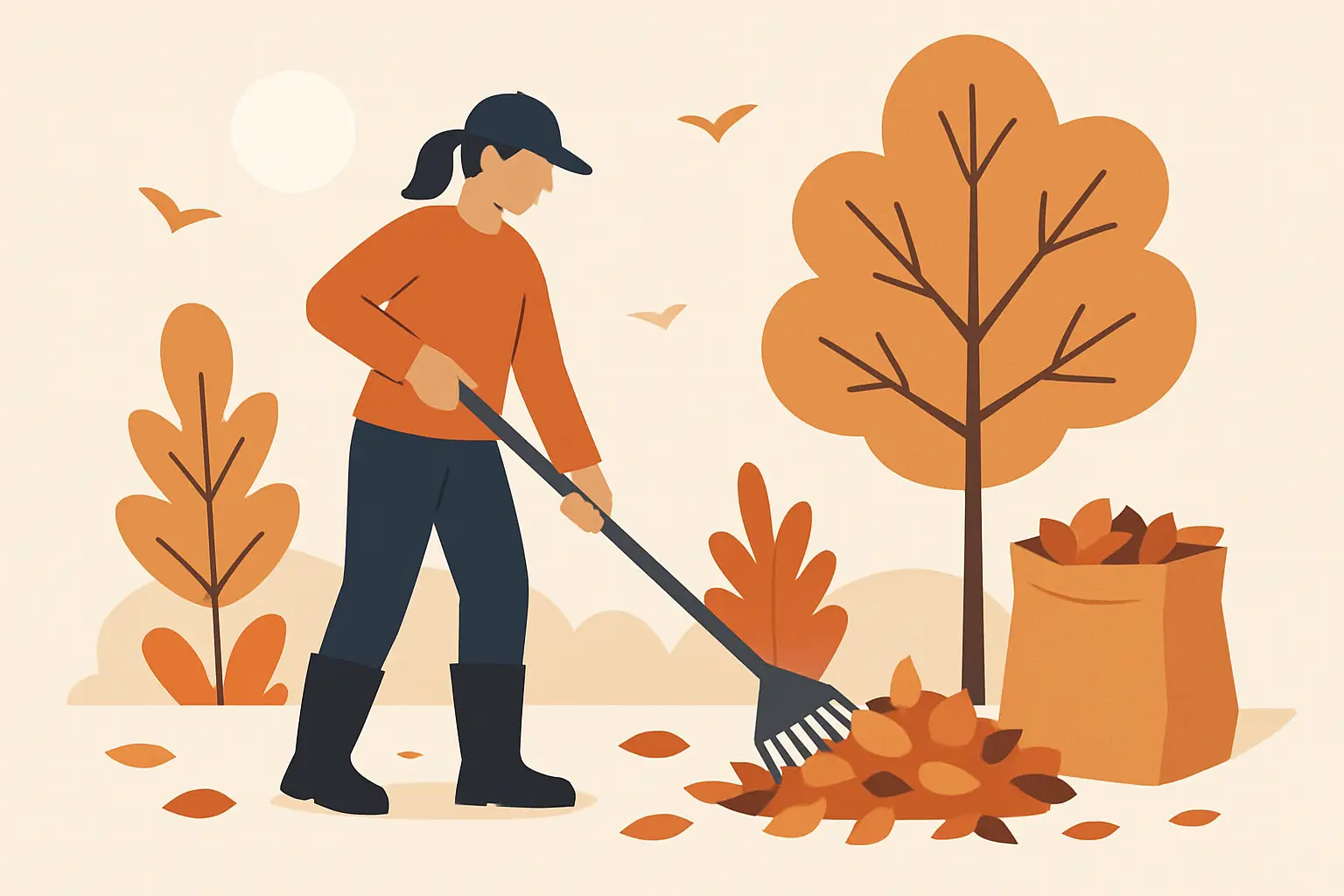
Leaves look harmless, but once they sit in damp piles they block light, trap moisture and create the perfect conditions for moss and lawn disease. They also hide trip hazards on steps and paving.
A proper clearance means removing leaves from lawns, paths, patios, driveways, beds and behind shrubs where they collect. It also means taking away what is gathered, not leaving bags stacked by the shed for weeks.
Lawn edges and general tidying
Autumn is a sensible time to sharpen up edges while everything is still visible and before growth stops completely. If the lawn has crept into borders over the season, a clean edge makes the whole garden look cared for, even when plants die back.
You might not need grass cutting every week by late autumn, but a final tidy cut (weather depending) and a clear edge often makes winter maintenance much easier.
Borders, beds and weed control
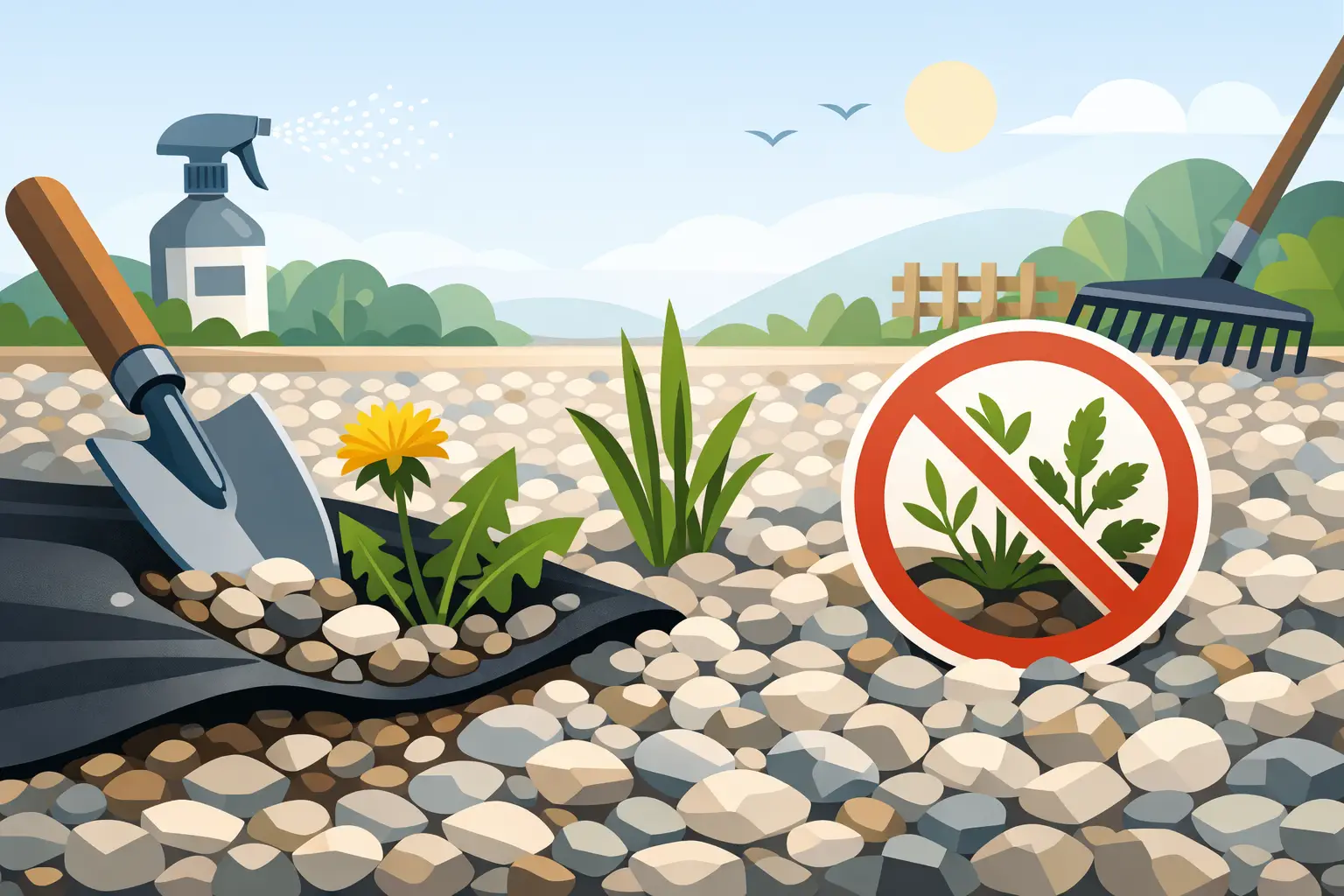
Borders collect fallen leaves, dead annuals, and wind-blown debris. Weeds do not politely stop growing just because it is colder, and if you leave them, you are often looking at a bigger job in March.
Border maintenance in autumn usually means removing dead or collapsing growth, clearing around shrubs, and tackling weeds so beds are not a mess all winter. It is also a chance to spot issues early, like invasive weeds spreading or plants being smothered.
Shrub removal and cutting back (when appropriate)
Some shrubs benefit from a tidy at the end of the season, while others are better left until late winter or early spring. This is where “it depends” matters.
If you have overgrown shrubs blocking light or encroaching onto paths, autumn can be a good time to reduce them, especially if it improves access and safety through winter. But if you are talking about heavy pruning on certain flowering shrubs, the timing needs a bit more care. A service-led maintenance team will usually talk through what is sensible now versus what should wait.
Hedge cutting and hedge removal
Many hedges put on a last burst of growth in late summer and early autumn. If they have become wide, tall, or are pushing out over pavements and driveways, a cut back can make a big difference before winter winds arrive.
For properties where hedges are beyond routine trimming, complete hedge removal may be the most practical option. That is not a decision to take lightly, but for landlords and site managers it can solve ongoing access, visibility and maintenance headaches.
Garden waste removal
The cleanup is only half the job if the waste stays on site. Green waste builds quickly in autumn, especially with leaves and hedge clippings, and many households do not have the vehicle or time to deal with repeated trips to the tip.
A key benefit of booking a service is that waste removal is built into the visit, leaving the garden usable straight away.
Why autumn cleanup matters more than it seems
Autumn work can feel like optional tidying, but it often prevents winter problems that are more expensive, more disruptive, and harder to fix.
Wet leaf build-up can damage lawns and make spring recovery slow. Blocked corners and clogged drains around patios can lead to standing water and slippery surfaces. Overgrown hedges can catch wind and shed branches, and unmanaged borders can become a tangle that takes multiple visits to restore.
For commercial sites and multi-unit properties, there is also the presentation factor. Even if nobody is sitting outside in November, the grounds still signal whether the place is cared for.
When to book an autumn garden cleanup
A common mistake is waiting until all leaves have fallen. By then, you may have already had weeks of slippery paths and smothered grass.
Most gardens benefit from at least one clearance during peak leaf drop, then a second lighter tidy if trees keep shedding into late autumn. The right timing depends on how exposed the site is, how many deciduous trees are nearby (including neighbours’), and whether the garden is used daily.
If you manage a property portfolio, it is worth planning around tenant changeovers and inspections. A visit timed just before a viewing or scheduled inspection keeps the exterior looking controlled and reduces complaints about slippery access.
One-off visit or a short schedule?
Some gardens only need a single, thorough visit. Others are better on a short autumn schedule, especially if they sit under mature trees or have large hedge lines.
A one-off cleanup suits smaller gardens, homes with light leaf fall, or anyone who is generally on top of things but wants help with the heavy lifting and waste removal.
A short schedule suits larger plots, commercial grounds, and homes where leaves drop for weeks. It also helps if you want the site kept consistently safe and presentable without relying on a last-minute scramble.
What to expect from a quote-driven service
Autumn jobs vary too much for a one-size price list. The sensible approach is a free estimate based on the actual work: the amount of leaf litter, access to the back garden, how much cutting back is needed, whether hedges need reduction, and how waste will be removed.
If you are comparing services, ask what is included in the visit. Will the team clear leaves from lawns and beds, or only hard surfaces? Are they taking the waste away? Will they tidy borders or just collect leaves? Clarity up front avoids disappointment.
Across Wiltshire, clients who want straightforward, hands-on upkeep often use a local maintenance team like Mossy Meadow for one-off seasonal cleanups or recurring grounds maintenance, with quotes based on the work needed rather than a generic package.
A few trade-offs to be aware of
Autumn work is weather-dependent. Wet ground limits what can be done without damaging lawns, and heavy rain can turn leaf clearance into a repeat task. Sometimes the best decision is to prioritise safety and access – paths, steps, entrances, and main lawn areas – and plan a second pass if leaf drop continues.
There is also a balance between “tidy” and “over-tidy”. Removing every leaf from every corner may not be necessary, especially if parts of the garden are set aside for wildlife. The practical middle ground is keeping lawns and hard surfaces clear, keeping borders manageable, and avoiding piles that smother plants or create slipping hazards.
How to get your garden ready before the team arrives
You do not need to do much, but a few small things can make the visit more efficient. If you can, clear children’s toys, move lightweight pots off main paths, and make sure gates are accessible. If there are known issues like a broken fence panel, a loose slab, or a difficult parking situation, mention it when you book.
If you have specific priorities – for example, “please focus on the front drive and entrance first” or “the back lawn gets mossy, keep leaves off it” – say so. A good cleanup is not just hard work, it is the right work in the right order.
The result you should be aiming for
A successful autumn cleanup leaves the garden looking cared for and easy to live with through winter. Paths and access points are safe, lawns can breathe, borders are not buried, and you are not staring at a mountain of bagged waste.
If you are unsure whether you need a single visit or ongoing help, the simplest approach is to start with a one-off autumn clearance, then decide from there. The best time to sort the garden out is usually the moment you realise you are stepping over the same leaf piles for the third day running.