A garden rarely gets untidy in one dramatic moment. It creeps up on you – a hedge that’s pushed past the path line, a border that’s swallowed its edging, a lawn that’s more moss than grass after a wet spell, and a layer of leaves that turns slippery the minute the temperature drops.
A seasonal garden tidy up is the simplest way to stay ahead of that slow build-up. Not because it needs to be perfect, but because the right jobs done at the right time prevent the bigger, more expensive clear-outs later. If you’re a homeowner, landlord, or managing a commercial site in Wiltshire, it also means your outdoor areas stay presentable and usable without constant effort.
What a seasonal garden tidy up actually covers
Most people picture a quick rake and a bag of clippings. In reality, a proper tidy up is about resetting the garden’s “working order” for the next season.
That usually means grass cutting and edging so the garden looks sharp again, hedge cutting or reduction so growth doesn’t block light or access, and weed control so paths and borders don’t get a hold. It also includes border maintenance (cutting back, lifting debris, and restoring shape), shrub removal where plants have outgrown the space, and garden waste removal so you’re not left with a mountain of green waste waiting for the next tip run.
There’s a trade-off here. A lighter tidy up done more often is quicker and keeps things consistently neat. A bigger seasonal visit can be more cost-effective if you’ve let things go, but it’s also more disruptive – more waste, more cutting back, and it can take a little time for the garden to look “settled” again.
Spring: clear the leftovers, set the shape
Spring tidy ups are about removing what winter left behind and setting the garden up so it’s easy to maintain through the growing season.
Start with leaf clearance and a general lift of debris from borders, beds and corners where material gathers. Leaves left sitting in damp pockets can smother grass and create messy, slippery areas on paths. Once the ground begins to dry, mowing can restart, but the first cut is where many lawns get scalped. It’s usually better to take the top off gently and let the grass thicken before going shorter.
Borders benefit from a proper edge at this time. A clean edge instantly makes a garden look maintained, even before plants fill out. Weed control is also more effective when you tackle it early – young weeds are easier to remove and you stop them seeding across the season.
Hedges and shrubs are a “it depends” job in spring. Some can be shaped before the main burst of growth, but others are best left until after flowering. If you’re not sure what’s what, the safest approach is a tidy that focuses on access and safety – bringing growth off paths, driveways and entrances – then doing heavier shaping later.
Summer: keep growth under control without stripping the garden
Summer is when gardens look their best, but it’s also when they can run away from you. A seasonal garden tidy up in summer is often less about heavy clearance and more about maintaining standards.
Grass cutting is the obvious one, but the difference between a tidy lawn and a scruffy one is usually edging and trimming. Edges creep over patios and borders quickly, and once the line is lost the whole garden looks softer and less cared for.
Hedge cutting is another big summer job, particularly for boundary hedges that affect neighbours, sight lines, footpaths, or parking. Regular trimming helps hedges stay dense. Leave it too long and you can end up needing a harder reduction that exposes bare wood, which takes longer to green back up.
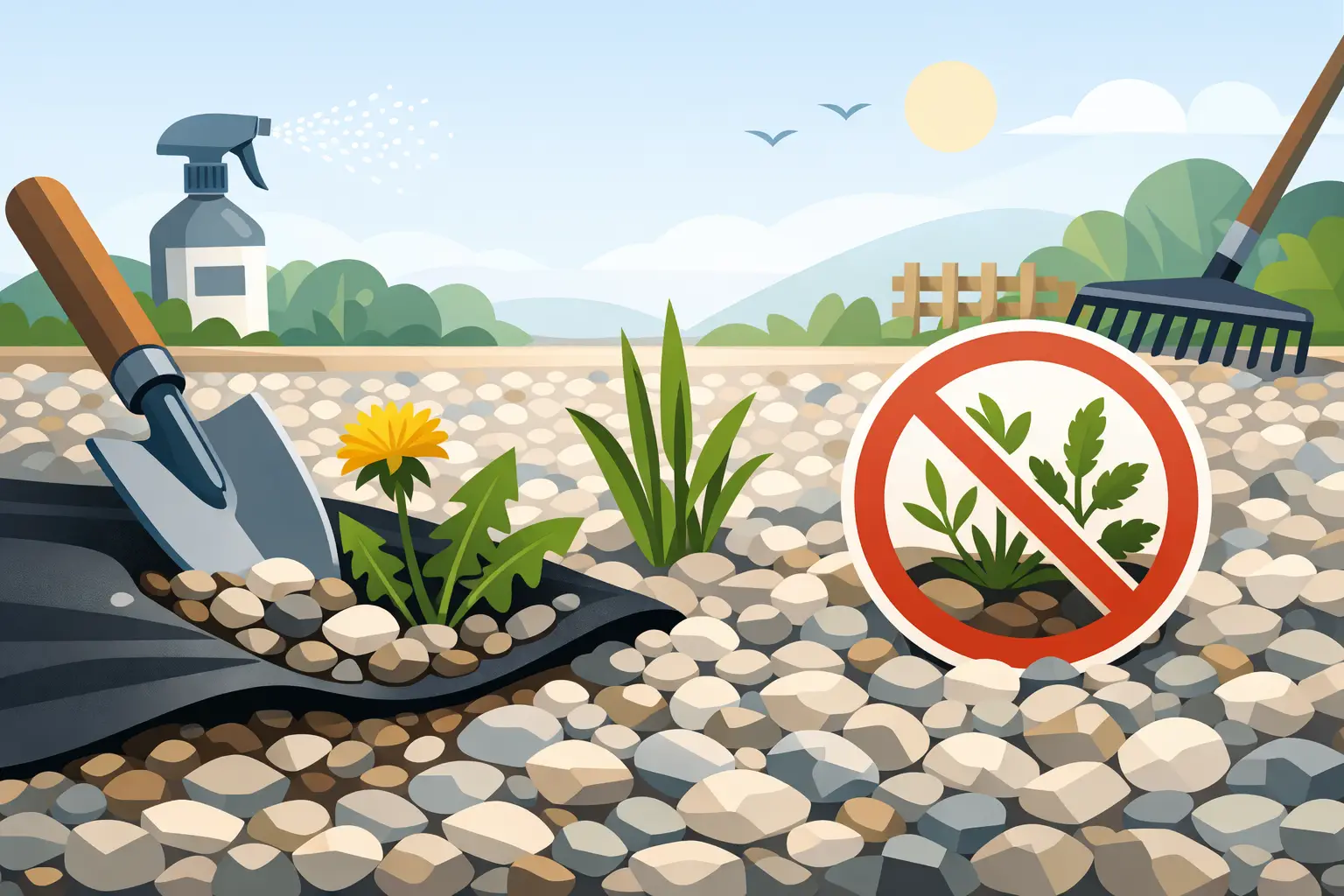
Weed growth is constant in summer, especially in gravel drives, along fence lines, and in block paving. A good approach is to combine physical removal where you can with targeted weed control, rather than letting weeds establish deep roots.
Summer tidy ups should also keep practicality in mind. If you use the garden, you don’t want every visit to feel like the place is being “stripped”. The goal is a neat, functional space: clear paths, manageable borders, and shrubs that don’t swallow windows, gates, or bins.
Autumn: leaf clearance and a controlled cut-back
Autumn is when tidiness makes a real difference to day-to-day life. Leaves build up fast, and once they’re wet they compact into slippery mats across lawns, paths, steps and car parks.
A seasonal garden tidy up at this point often revolves around leaf clearance and waste removal. It’s not just about appearance. Clearing leaves helps prevent lawns from yellowing and reduces the risk of moss taking over. For commercial sites and rentals, it also supports safety by keeping access routes clearer.
Autumn is also a sensible time for a controlled cut-back in borders. You don’t always need to chop everything to the ground – some plants provide structure and winter interest – but removing spent growth and keeping plants off paths stops winter mess building up. It’s also a good time to tidy shrubs that have outgrown their space, particularly anything pushing into driveways or overhanging public areas.
If you’ve got hedges that need reduction rather than a light trim, autumn can work well because the growth slows and the shape holds. The key is to avoid leaving the garden full of cuttings. Green waste piles look untidy, attract pests, and are a headache to shift later when everything is damp and heavy.
Winter: safety, access, and preventing spring catch-up
Winter tidy ups are often overlooked, but they can save you from the big spring rescue job.
With most plants dormant, it’s easier to see the bones of the garden – what’s blocking access, what’s rubbing against fences, and where shrubs have become too large. This is a good time for shrub removal if you’re reclaiming space or improving sight lines. It’s also a sensible season for hedge removal where a hedge is beyond saving or no longer wanted, as it reduces disruption to nesting wildlife and makes disposal more straightforward.
Grass cutting is usually minimal, but a winter tidy up can still include keeping edges clear, lifting debris, and making sure paths and entrances are usable. For landlords and property managers, winter is also the moment to keep sites looking cared-for even when plants aren’t doing much – a neat outline and clear surfaces go a long way.
The trade-off is weather. Wet ground can limit how much heavy work you want to do on a lawn, and storms can change priorities overnight. A winter visit often works best as a responsive tidy – dealing with what’s urgent now so the property stays safe and presentable.
A realistic seasonal garden tidy up plan
If you want a garden that stays presentable without constant effort, frequency matters more than perfection. Many people do well with a regular cut-and-edge schedule through the growing season, then a more thorough tidy in autumn. Others prefer fewer visits but accept that each one will be a bigger job.
It also depends on the garden itself. A small courtyard can look smart with quick, regular attention. A larger plot with long hedges, established shrubs and heavy leaf fall needs stronger seasonal clear-outs, otherwise waste and overgrowth become the main issue rather than the actual gardening.
For commercial sites, predictability is often the priority. Consistent standards usually come from scheduled visits that cover grass cutting, edging, weed control, hedge cutting, and leaf clearance at the right times. Waiting until something looks bad can mean a larger job, more disruption for staff or visitors, and more waste to remove.
The jobs that catch people out
Most tidy ups go off track for three reasons: height, volume, and disposal.
Hedges are a classic example. Light trimming is straightforward; reduction is another level entirely, especially if the hedge is tall, wide, or runs a long boundary. Shrubs can be similar. What looks like a simple cut-back can turn into a heavy removal once you find thick stems, hidden fencing, or tight access.
Waste is the other big one. A seasonal tidy produces far more green waste than most people expect, particularly after hedge cutting and border clearance. If you don’t have the vehicle space, the time for tip runs, or the right bags and tools, it becomes the thing that stalls the whole job.
Then there’s the “while we’re at it” list. Once you start, you notice the edging that’s disappeared, the weeds in the paving, the brambles at the back, the overgrown shrub by the front door. That’s normal – and it’s why a quote-driven approach helps, so you can prioritise what matters most and keep costs predictable.
When it makes sense to bring in a maintenance team
If you enjoy gardening and have the tools, seasonal tidy ups are manageable. But if you’re short on time, dealing with heavier growth, or responsible for keeping a property consistently presentable, outsourcing can be the most practical option.
A maintenance team can tackle the labour-heavy parts in one visit: hedge cutting or reduction, grass cutting with clean edges, weed control, border maintenance, shrub removal, leaf clearance, and garden waste removal. The benefit isn’t just speed – it’s that the garden stays at a steady standard because the same core tasks are done properly each time.
If you’re in Wiltshire and want a straightforward, hands-on service that can be one-off or on a regular schedule, Mossy Meadow can provide a free quote and get your maintenance plan in place – see https://Mossymeadow.co.uk.
A tidy garden isn’t about chasing perfection. It’s about making the next month easier than the last, so your outdoor space stays usable, safe, and pleasant without becoming another job on your list.