That overgrown corner of the garden usually starts as a “we’ll deal with it later” job. A few seasons on, it’s swallowing the path, blocking light from the lawn, and making the whole space feel smaller. Shrubs are brilliant when they’re in the right place and kept in check. When they aren’t, removing them properly can be the quickest way to get your garden back to something tidy, usable, and easy to maintain.
A shrub removal service is exactly what it sounds like – cutting back and removing unwanted shrubs, then dealing with the roots and the resulting green waste. The detail that matters is how far you want to go, and what you need the area to be afterwards. Some customers want a clean removal ready for replanting. Others simply want the shrub gone so mowing, edging, and regular upkeep become straightforward again.
What shrub removal usually involves
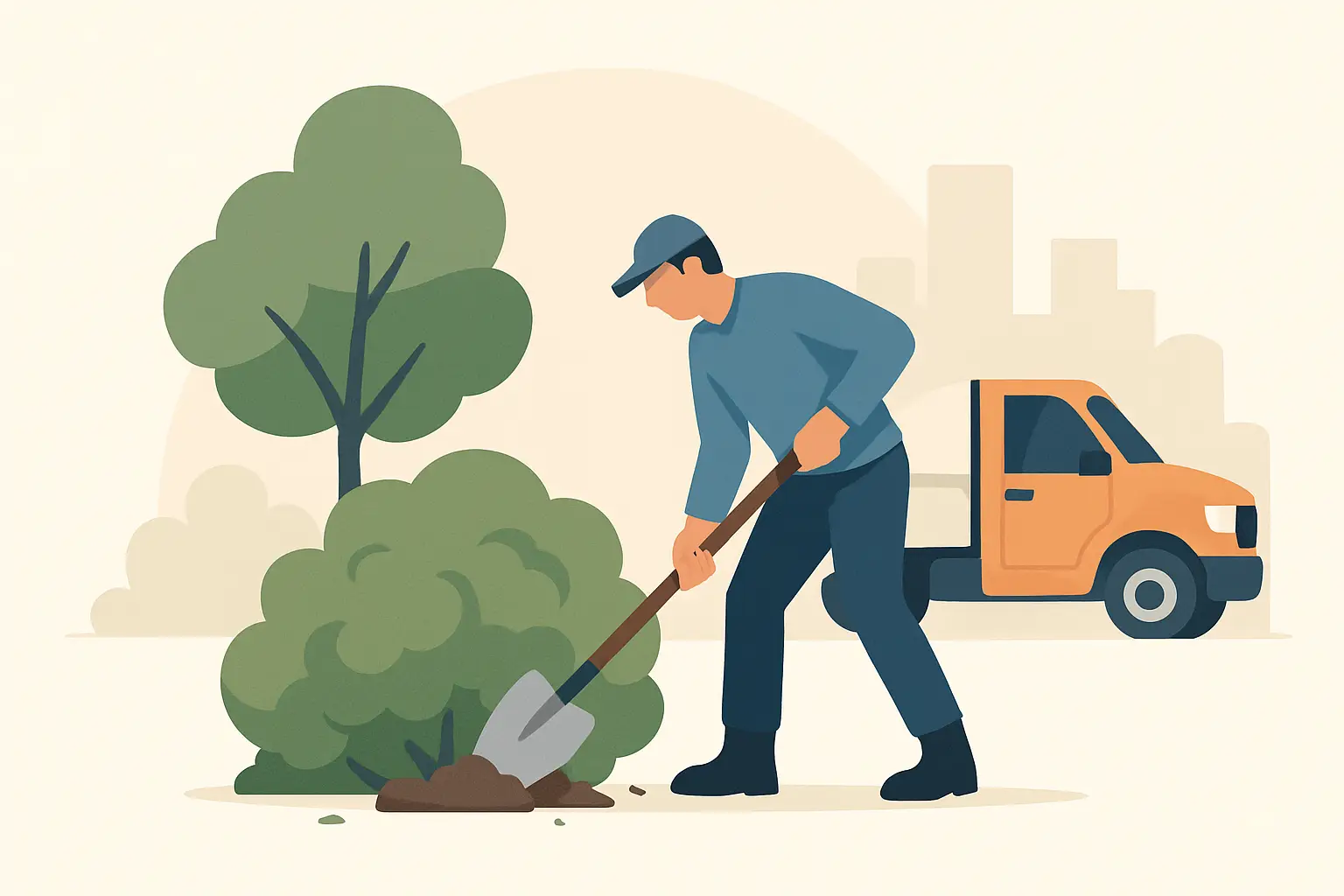
Shrub removal can be as simple as cutting to ground level, or it can include full removal of the root system. The right approach depends on the shrub type, the location, and what you plan to do with the space.
If the goal is to tidy a bed or reduce maintenance, cutting back hard and removing the bulk can be enough, particularly where the shrub is in a difficult spot or close to other established plants. If you want to replant, lay turf, extend a border, or stop regrowth, it often makes sense to remove the stump and as much root as practical.
You also need to think about access and protection. A shrub tucked behind a shed, running through a fence line, or growing over gravel can take longer than something sitting in open soil. Likewise, if there are utilities, drains, or paving close by, removal needs to be careful rather than aggressive.
Signs it’s time to remove, not just prune
Pruning can keep a healthy shrub looking good for years, but sometimes removal is the better option.
If you’re constantly cutting it back and it rebounds within weeks, it’s likely outgrown its position. If it’s shading out the lawn or border so nothing else thrives, it can be the main reason the rest of the garden feels tired. And if it’s harbouring weeds, making it hard to edge, or blocking access for mowing and trimming, you’ll keep paying for the problem in time and effort.
There are also safety and property concerns. Shrubs that are pushing on fences, encroaching onto paths, or catching against windows and gutters can cause gradual damage. Near driveways and entrances, overgrowth can reduce visibility and make the front of a property look neglected, which matters for landlords and commercial sites with regular visitors.
Cutting down vs full removal – what’s the difference?
This is where “it depends” genuinely applies.
Cutting down (sometimes called cut-back) removes the above-ground growth and leaves the root system in place. It’s quicker, involves less disturbance, and can be a sensible choice if you just want things neat or you’re not ready to rework the area. The trade-off is regrowth. Many shrubs will send up new shoots, especially in spring and summer, and you may need repeat visits to keep it controlled.
Full removal takes the shrub out and tackles the stump and roots as needed. That gives you a cleaner, more permanent result, and makes the space usable for replanting or lawn. The trade-off is time and disruption – you’re left with a disturbed patch of soil that may need levelling, edging, and possibly topsoil before it looks finished.
If you’re unsure which route suits your garden, a site visit and quote will usually make it clear. Sometimes you can mix approaches too – full removal in the problem areas, and heavy reduction elsewhere.
Timing – when to book shrub removal
Shrub removal can be done year-round, but timing affects how easy the job is and what the garden looks like afterwards.
Late autumn through to early spring is often a practical window. Growth is slower, access is easier without dense foliage, and you’re not disturbing as much wildlife activity. It also sets the garden up for a cleaner start when the weather improves.
That said, many people decide to remove shrubs when they’re most fed up with them, which tends to be late spring and summer when everything has surged. Removal in the warmer months is fine, but you might want to plan what happens next straight away – a bare patch in July can dry out quickly, and weeds will take advantage if it’s left open.
If you’re managing a commercial site, timing may also be about presentation. Removing a scruffy shrub line before an inspection, event, or seasonal changeover can make the whole frontage look sharper with one visit.
What happens to the waste?
Shrub removal creates a lot of green waste surprisingly quickly, especially if you’re taking out established plants. Branches, woody stems, and leafy material need to be loaded and removed, and that disposal is often the part that catches people out when they try to do it themselves.
A proper service includes taking the waste away so you’re not left with piles that don’t fit in your garden bin. This is particularly helpful for flats with limited storage, landlords between tenancies, or older residents who simply don’t want the hassle of repeated tip runs.
If you’d like some waste retained for a compost area, or you want certain logs kept for fires or borders, that can often be discussed during the quote. Otherwise, the simplest option is full clearance so the garden is left tidy and ready for the next step.
Cost factors – what affects the quote?
Shrub removal is typically priced on what’s on site rather than a fixed menu. Two gardens can have the same number of shrubs but very different complexity.
Size and density matter, but so does access. If material has to be carried through a narrow passage, up steps, or from a rear garden with no direct route, labour time increases. Roots and stumps can also change the job. A shallow-rooted shrub in soft soil is very different from a mature, woody specimen that has been in place for decades.
What you want the area to look like afterwards is another factor. Cutting down and clearing is one level of work. Removing roots, levelling the ground, and leaving it ready for turf or planting is more involved. None of that is a problem – it just needs to be agreed clearly.
The most helpful way to keep costs sensible is to be specific about your goal. If you want maintenance to be easier, say so. If you’re preparing for a tenant, a sale, or a new layout, say that too. It helps the quote match the outcome you actually need.
Aftercare – what to do once the shrubs are gone
Once shrubs are removed, the garden often looks instantly lighter and more spacious. The question is how to keep that space looking good.
If the ground is disturbed, it may need raking and levelling, then either replanting, mulching, or turfing depending on the location. Even if you’re not redesigning, a simple tidy-up makes a big difference: sharp edging, a clean border line, and weed control stops the cleared area looking like an unfinished job.
This is where ongoing maintenance helps. A one-off removal solves the immediate issue, but regular grass cutting, hedge trimming, and seasonal clearance prevent the next overgrown problem from building up in a different corner.
Shrub removal for landlords and property managers
Shrubs are a common “hidden workload” on managed properties. They grow gradually, then suddenly you’ve got blocked access to bins, pathways narrowing, or a front garden that looks uncared for. For rentals and commercial sites, consistency matters – you want the outside to look acceptable without constant chasing.
Shrub removal can be a practical reset. Clear the problem plants, dispose of the waste, and then keep the remaining areas on a manageable routine. It also reduces the risk of complaints about overhang, pests sheltering in dense growth, and the general impression of neglect.
If you’re coordinating work across multiple properties, it helps to use a service that can cover the basics reliably: shrubs, hedges, grass, weeds, borders, and waste removal in a repeatable way.
Choosing a local shrub removal service in Wiltshire
You don’t need a luxury landscaping studio to remove shrubs properly. You need someone who turns up when agreed, works safely and neatly, and leaves the site presentable – especially if the garden is shared, public-facing, or part of a maintained grounds contract.
Look for clear communication on what’s included: removal depth, waste disposal, and whether the area will be left level and tidy. Also check they’re happy to take on the small awkward jobs as well as the bigger clearances. In real gardens, it’s often the fiddly patch behind the garage or the overgrown bed by the gate that causes the most frustration.
For homeowners, landlords, and commercial sites around Warminster and across Wiltshire, Mossy Meadow provides hands-on maintenance including shrub removal, clearance, and ongoing grounds upkeep. If you want a straightforward quote and a dependable finish, you can arrange a free estimate at https://Mossymeadow.co.uk.
A garden feels easier to look after when it’s not fighting you. If a shrub has become a recurring headache, removing it is not “giving up” on the garden – it’s making space for a layout you can actually keep tidy.