A garden rarely looks “suddenly” scruffy. It slips that way – one missed mow, a hedge that gets away from you, a border that slowly fills with weeds, then a week of rain when you were planning to catch up. By the time it’s obvious, it’s usually more time, more waste, and more effort than most people want to deal with.
That’s why regular garden maintenance plans work so well for homes, rentals, and commercial sites across Wiltshire. You’re not paying for perfection. You’re paying for the routine that stops small jobs becoming big ones, keeps the place presentable, and means you don’t have to own every tool under the sun.
What regular garden maintenance plans actually are
A proper maintenance plan is simply a recurring schedule of practical work, agreed around your garden and your budget. It isn’t a rigid “one size fits all” checklist, because gardens don’t grow at the same speed and properties don’t need the same finish.
For some customers it’s a simple, reliable mow and edge every fortnight. For others it includes hedge cutting, weed control, border maintenance, seasonal tidy-ups, and green waste removal. The point is consistency: the garden gets attention before it becomes a problem.
It also means work is done with the right equipment and a clear routine. That matters if you’re a landlord trying to keep kerb appeal between tenancies, a property manager needing grounds standards for a site, or a homeowner who wants the garden kept tidy without giving up your weekends.
Why it’s usually cheaper than “sorting it later”
A one-off clear-up can be great when you’ve moved in, returned from a long holiday, or inherited an overgrown plot. But repeatedly waiting until the garden is “bad enough” tends to cost more.
Overgrown grass takes longer to cut and can leave a mess if it’s taken down too hard in one go. Hedges that are left too long often need heavier reduction, which creates more waste and can leave the hedge looking bare. Weeds that set seed become next month’s job as well as this month’s.
A regular plan keeps everything within a manageable range. It spreads the effort over the year, reduces the volume of waste, and avoids last-minute panic when you’ve got visitors, viewings, or an inspection coming up.
Building a plan around your property
The best way to think about a maintenance plan is in “levels of finish”. Some gardens need to be immaculate, others just need to look cared for and safe.
A small front garden for a rental might need grass cutting, edging, and a quick weed pass to keep it tidy. A larger family garden might need fortnightly mowing plus border work and seasonal leaf clearance. A commercial site might need predictable visits, consistent presentation, and reliable removal of green waste so nothing piles up.
When a plan is set up properly, it takes into account access, storage (or lack of it), the amount of hedging, how many borders there are, and whether the property is occupied. Those details affect time on site and the frequency that makes sense.
Weekly, fortnightly, or monthly – what usually fits
Frequency depends on growth, use, and expectations.
Weekly visits suit lawns that are used heavily or need to look sharp – for example, entrances, shared areas, or properties with a lot of footfall. They also suit the fastest growing months when grass can leap up in a few days.
Fortnightly is the most common choice for household gardens. It’s often enough to keep grass under control, catch weeds before they spread, and keep borders from looking neglected.
Monthly can work for low-use spaces, smaller lawns, or customers who are happy with a more natural look. The trade-off is that mowing can be heavier, and some tasks (like edging and weeding) may need a bit more time when they’re done.
Many customers do a hybrid: fortnightly through spring and summer, then monthly or ad-hoc in winter with a planned leaf clearance.
What to include in a regular maintenance visit
Regular visits are most effective when the basics are covered well. After that, you can add the jobs that remove the biggest stress for you.
Lawn cutting and edging
Grass cutting is the obvious one, but edging is what makes it look finished. Crisp edges around lawns, paths, and beds stop grass creeping into borders and instantly makes a garden look cared for, even if everything else is simple.
If your lawn has been left long, it’s usually better to bring it down gradually over a couple of visits. Taking too much off in one go can scalp it and leave clumps everywhere.
Weed control that matches the site
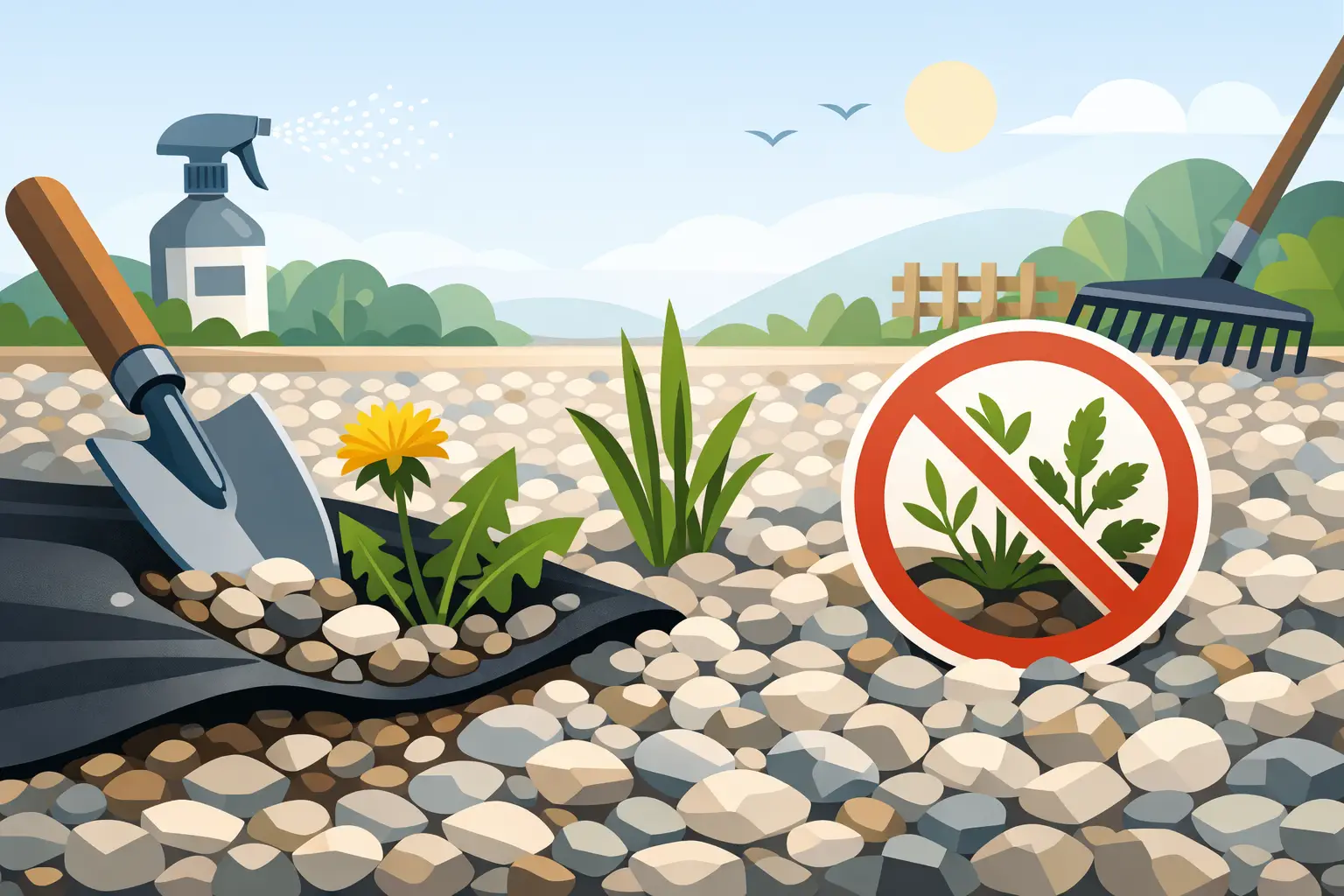
Weeds aren’t just a “spray and forget” job. Some are best dealt with by hand in borders, some need repeated attention on gravel, paving, and along fence lines, and some keep returning because seed blows in from neighbouring areas.
A regular plan helps because the approach can be consistent. Light weeding done often is quicker, tidier, and more effective than letting everything establish and then fighting it.
Border maintenance and general tidying
Borders don’t have to be complicated to look good. Regular border maintenance is usually a mix of weeding, cutting back where needed, keeping plants from flopping onto paths, and maintaining a neat line.
For many customers, this is the work that never gets done because it’s fiddly and time-consuming. Put it into the plan and it stops being a recurring headache.
Hedge cutting and reductions
Hedges can make a property look smart, but they don’t stay that way by accident. Regular trimming keeps shape and density, and it stops hedges blocking light or creeping over driveways and footpaths.
Some hedges only need attention once or twice a year, others benefit from a couple of trims through the growing season. If a hedge is already too large, a planned reduction can bring it back to a manageable size, then regular trims keep it there.
If you’re dealing with something that’s become unmanageable, hedge removal is sometimes the most practical option – especially for shrubs or hedges that have outgrown the space.
Leaf clearance and seasonal clean-ups
Leaves can make paths slippery, smother grass, and clog up drains and gullies. If your property is near mature trees, leaf clearance is not a “nice to have”. It’s part of keeping the place safe and presentable.
Seasonal clean-ups are also the perfect time to reset the garden: cutting back, clearing dead growth, tidying borders, and getting everything ready for the next season. It’s an efficient way to keep a garden looking maintained without endless little call-outs.
Garden waste removal
Green waste is one of the biggest practical barriers for homeowners and property managers. You can cut back and clear all day, but if you’re left with piles of clippings and nowhere to take them, the garden still looks unfinished.
Including garden waste removal in your plan keeps everything straightforward. The work gets done, the waste goes, and you’re not waiting for bins to empty or filling the car with bags.
A realistic view of costs and trade-offs
Most people want two things at once: a tidy garden and a low monthly spend. Regular plans are the best way to balance that, but it helps to be clear about what affects price.
More hedging, more borders, poor access, and heavy weed pressure all take time. A plan that includes waste removal will cost more than one where waste is left neatly on site. A higher frequency often reduces the time needed per visit because nothing gets out of hand, but you are still paying for more visits.
It also depends on what “tidy” means to you. If you want stripes on the lawn, razor edges, and beds that look freshly dressed every time, that’s a higher finish than “kept under control”. Neither is wrong – the plan just needs to match your expectations.
Who benefits most from a maintenance plan
Homeowners benefit when time is the problem. If you’re busy, travelling, or simply tired of giving up weekends, a plan keeps the garden handled without you having to think about it.
Older residents often benefit because the hard work is the issue. Mowing, hedge cutting, and lifting bags of waste are physically demanding. A regular visit keeps the garden enjoyable rather than a source of worry.
Landlords and property managers benefit because presentation is money. A tidy outside space helps with viewings, protects the condition of the property, and reduces complaints. Commercial sites benefit for similar reasons, plus the need for predictable standards and safe access ways.
How to set up the right plan (without overcomplicating it)
Start with the problems you actually want solved. If it’s the lawn getting long and messy, don’t pay for a long list of extras before the basics are under control. If weeds are the constant battle, build in time for them on each visit rather than trying to fix it once a year.
Then think in seasons. Spring and summer are usually about mowing, edging, and keeping growth in check. Autumn is often leaf clearance and cutting back. Winter is about keeping things safe and tidy, not forcing growth that isn’t there.
Finally, be honest about access and waste. If you need everything taken away, say so. If there’s a side gate that’s awkward, or parking is tight, it’s better to factor it in from the start so the plan stays reliable.
If you want a local, hands-on team in Wiltshire who can quote clearly and carry out regular visits as well as one-off work, Mossy Meadow can help – get a free estimate at https://Mossymeadow.co.uk.
A plan should make your life easier
The right maintenance plan is the one you stop having to think about. Your lawn stays manageable, hedges don’t take over, weeds don’t get a head start, and the waste disappears before it becomes a pile you’re stepping around. If your current approach relies on finding a free weekend and good weather at the same time, it’s probably time to swap effort for routine – and enjoy a garden that stays presentable without the constant catch-up.